
Cook County's Most Wanted Program
The Cook County Sheriff posts no most-wanted page, no fugitive bulletin, and no Crime Stoppers warrant list. Nothing like one exists. The sheriff's website covers enforcement, dispatch, the jail, civil process, and records, and a wanted-person roster appears nowhere on it. That absence shapes the answer. No Cook County lineup exists to describe, so the useful material is the state and federal fugitive programs that do publish names. None of them is a Cook County warrant database.
Cook County Has No Most Wanted Page
Readers sometimes show up holding a link that promises a Cook County fugitive list. No such page exists. County navigation offers no warrant or most-wanted entry. A third-party page filling that gap is not official, and its list may be stale, copied, or assembled with no authority behind it. Treat those sites with care. Official word on a person's warrant status comes from the Cook County District Court that issued the process, and that is where a case check leads. The clerk's office answers status questions. Note: Cook County has no local reward policy, publication schedule, or removal rule, because there is no list to maintain.
How the Most Wanted Lists Work
Where a list exists, a name usually lands there because an agency thinks publicity will help locate someone on an outstanding warrant. Names come off through arrest, surrender, or recall of the warrant. Most pages are snapshots. The agency refreshes them on its own schedule. So a list can lag either way. Someone arrested last week may still appear. Someone whose warrant was recalled may linger a day or two. Absence proves even less, because a curated list never includes every open warrant, and a Cook County name missing from one can still carry a warrant. A list never shows the whole Cook County warrant record.
Cook County Warrants vs State Fugitives
Minnesota's Department of Corrections runs the closest official program touching Cook County residents: a statewide wanted fugitives page with tip channels. It is a state tool. The fugitives page covers state supervision cases, not county warrant records, so a missing name says nothing about a Cook County case. Minnesota DOC wanted fugitives page holds the current roster. Tip instructions sit right there. The department spells out the channels it wants the public to use.
Go ahead and use that state page. Just remember it reflects a state program, not a Cook County warrant record.
Reporting a Tip Safely
Send any tip through the channel the publishing agency itself names for Cook County, and nothing else.
- Use the tip line, app, or web form the official program publishes.
- Give the location and what you observed, and keep your own details out of it.
- Never approach, follow, or detain anyone you believe is listed.
- Note the tip number if the program issues one, in case you follow up.
Key Point: Anonymous tip channels exist so the public can report a location without confronting anyone. A witness who intervenes becomes a second emergency instead of a source of information.
Rewards and Cook County Most Wanted Tips
Cook County offers no local reward program to point to. The county has no Crime Stoppers partnership, and it runs no public tip app. What the Cook County Sheriff's Office publishes instead is general contact information along with emergency routing. So follow the instructions on whatever official page posted the wanted information. If a sighting means immediate danger or a crime in progress, call 911. For routine agency questions, the Sheriff's non-emergency line is 218-387-3030. That line is not a warrant desk or a tip desk. Note: Never count on a reward or assume anonymity unless the published program itself spells it out.
Cook County Most Wanted and Federal Warrants
Federal fugitive work in Minnesota belongs to the United States Marshals Service. The district page lists a Duluth office at 218-529-3620. It also lists the North Star Fugitive Task Force at 612-664-5910. Those numbers handle federal matters, not state court warrants from Cook County. The U.S. District Court for the District of Minnesota lists courthouse locations and clerk contacts, including the Duluth courthouse used for northern Minnesota cases.
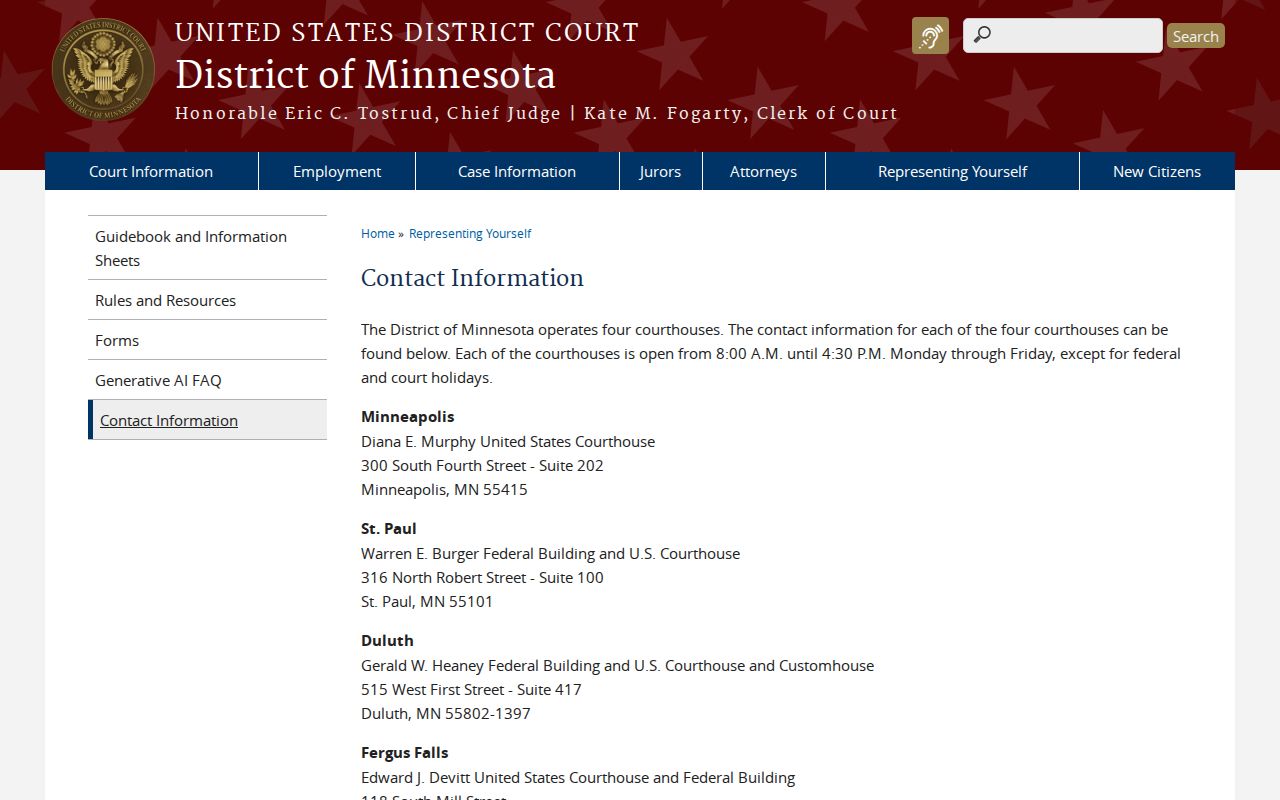
A state case search never establishes a federal warrant. And a federal docket never establishes a Cook County warrant.
Most Wanted Lists vs Active Warrants
People blend the two, but the difference matters when you are checking a Cook County status.
| Feature | Most Wanted List | Active Warrant |
|---|---|---|
| Scope | A curated, high-priority subset | Any unserved process on a case |
| Who publishes it | The agency that runs the program | The Cook County issuing court's case record |
| Public visibility | Roster published by the agency | Case record, with access limits |
| How it ends | Arrest, surrender, or recall | Service, recall, quash, or case close |
Plenty of active warrants never show up on a published list. The people who do get listed face a narrow set of high-priority matters.
Cook County Most Wanted List Limits
A published roster has real limits. It cannot prove an unlisted person has no warrant. It cannot confirm a listed warrant is still current, either. Agencies publish names for operational reasons of their own, and the underlying Cook County court record remains the authority on status. The same caution applies to federal dockets. The PACER pricing page explains federal docket fees, including the per-page rate, the cap on most documents, and the quarterly threshold that waives fees for light users.
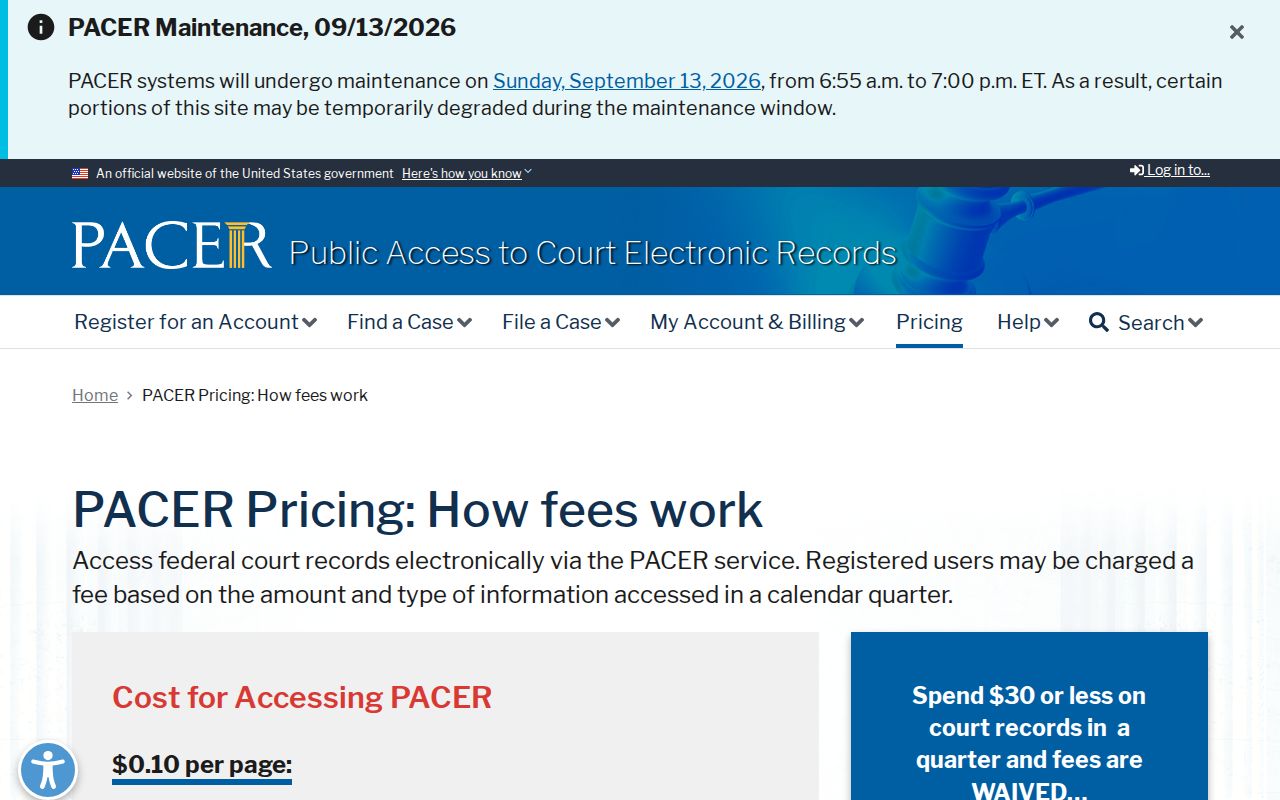
Sealed federal warrants and restricted dockets never reach that system. So a blank federal search tells a Cook County reader no more than a blank list does.
Cook County Warrant Surrender Options
Cook County has no published warrant roster to check. What it documents instead is a workshop. A Judicial Branch article on the Shore Substance Use Recovery Court tells of a participant with an arrest warrant who turned himself in at a 2024 warrant-resolution workshop. That program began in 2016 and runs roughly 15 to 24 months. The Cook County recovery court article names no participant. It offers no recurring schedule either, and no standing amnesty or eligibility rule exists. Confirm any current event through the Cook County court before acting.
If You Think You Are on a List
A published page showing your name changes your first call. Reach a lawyer before the agency. Counsel can confirm the warrant with the Cook County court, explain the charge, and set up a surrender, a bond, or a motion to recall on a schedule you understand. The sheriff's lobby is not the place to test it. Asking about your own name there can end in an arrest on the spot. A warrant listed anywhere still needs the issuing court to confirm it, and a lawyer gets that answer safely.
Important: Do not approach the agency alone, and do not wait to be found. The outstanding warrants page explains how a case status is confirmed.