
Cook County Arrest Warrants Explained
What does a Cook County arrest warrant actually do? It authorizes an officer to take a named person into custody and bring that person before a judicial officer, generally within the prompt-appearance framework set by the criminal rules. The judge signs it on probable cause. The document also names the offense, the defendant, and any bail or conditions the judge attached. Note: An arrest warrant differs from a jail roster entry, which shows custody rather than the authority behind it.
Cook County Summons Before Arrest Warrants
Minnesota leans toward a summons whenever a case allows one. The criminal rules steer the court away from a warrant unless circumstances support it, such as a substantial likelihood the person will not respond, an unknown location, or an imminent risk of harm. When those circumstances appear in a Cook County case, the judge issues the warrant instead. Minnesota Rule of Criminal Procedure 3 lays out the complaint, summons, warrant, bail, and prompt-appearance framework used in Cook County cases.
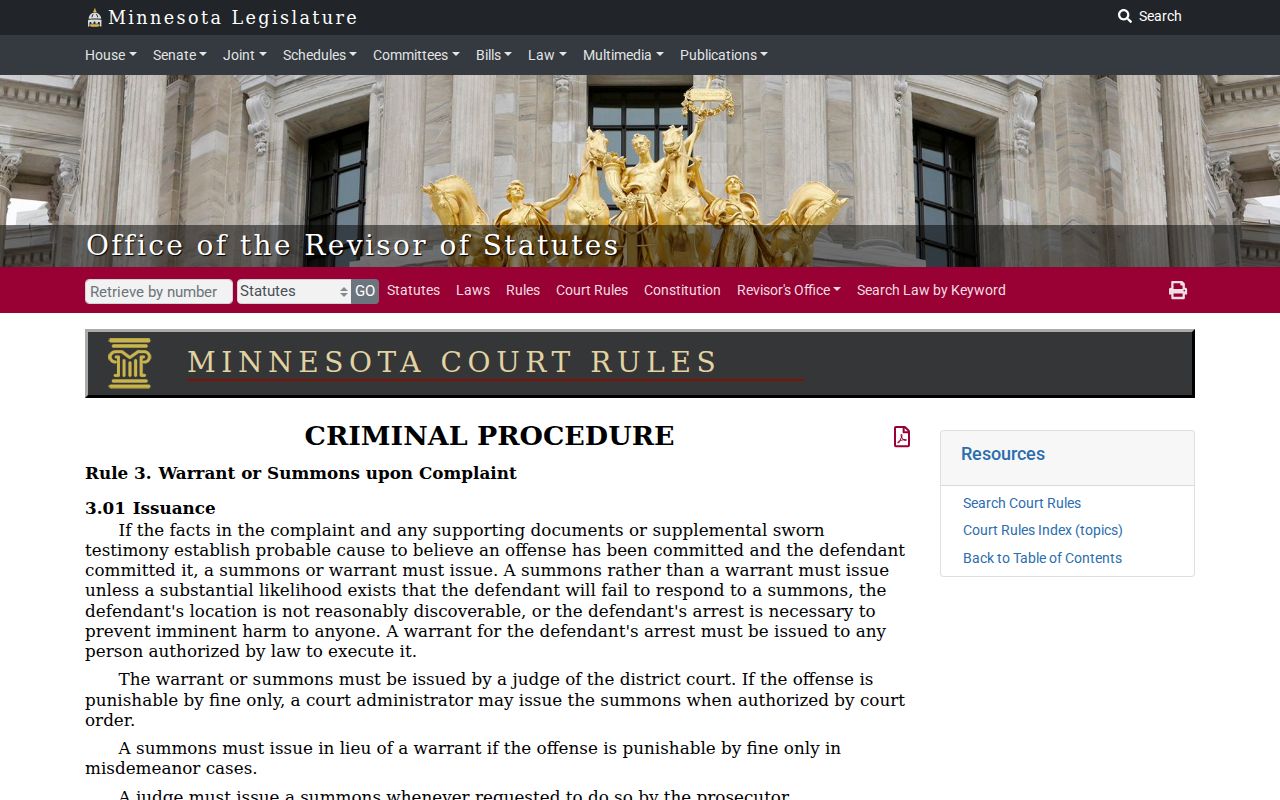
That preference explains a lot. Some people facing a Cook County charge get a court date in the mail instead of an arrest at the door.
Probable Cause Behind Cook County Warrants
The route is fixed. A police report becomes a signed Cook County warrant through a set sequence, and each step leaves a record a reader can point to.
- An officer or prosecutor presents a complaint with supporting facts.
- The court weighs whether a summons is enough or a warrant is warranted.
- A district judge signs the warrant and sets bail or conditions.
- An authorized officer or agency receives and serves the process.
- The person is brought before a judicial officer under the rule's timing framework.
- Later events such as service, appearance, and recall are added to the case record.
None of it promises release. A Cook County judge sets release conditions case by case, so the list alone settles nothing.
Inside a Cook County Arrest Warrant
There is more here than a name. A Cook County arrest warrant carries several fields, and the ones below deserve a careful read.
| Court and file number | Cook County District Court case identifier |
|---|---|
| Defendant named | The person the warrant authorizes officers to take into custody |
| Offense and statute | The charge and its classification where public |
| Probable-cause basis | The complaint or affidavit supporting the warrant |
| Issue date | When the judge signed the warrant |
| Bail and conditions | Amount and release terms set with the warrant |
| Execution and return | Service date, serving agency, and the officer's report back |
| Current status | Unserved, served, recalled, or another recorded event |
These fields come from the criminal rules and Cook County court records. No one person's case supplied them.
Serving Arrest Warrants in Cook County
Serving warrants in Cook County is the Sheriff's job, but not through a public warrant desk. The enforcement division describes conducting investigations, preparing and executing search warrants, providing court security, and transporting inmates. Its dispatch center takes emergency and non-emergency calls and coordinates with partner agencies across a wide area. Ask it about custody, not about whether a warrant exists. Where a person is held is a separate question from which court issued the process. The Cook County jail has five holding cells, keeps first-appearance and pretrial inmates for up to 72 hours excluding weekends and holidays, and houses some longer-term pretrial inmates in other counties, with video appearances from those locations.
Cook County Sheriff Warrant Enforcement
Once an arrest happens, the split is simple. Custody questions go to the Cook County Sheriff; case questions go to the court. That matters because a judge sets release conditions, while the booking, housing, and transport steps come from the agency. The Cook County Sheriff jail page describes the holding cells, the pretrial housing pattern, and the use of other counties for longer stays.
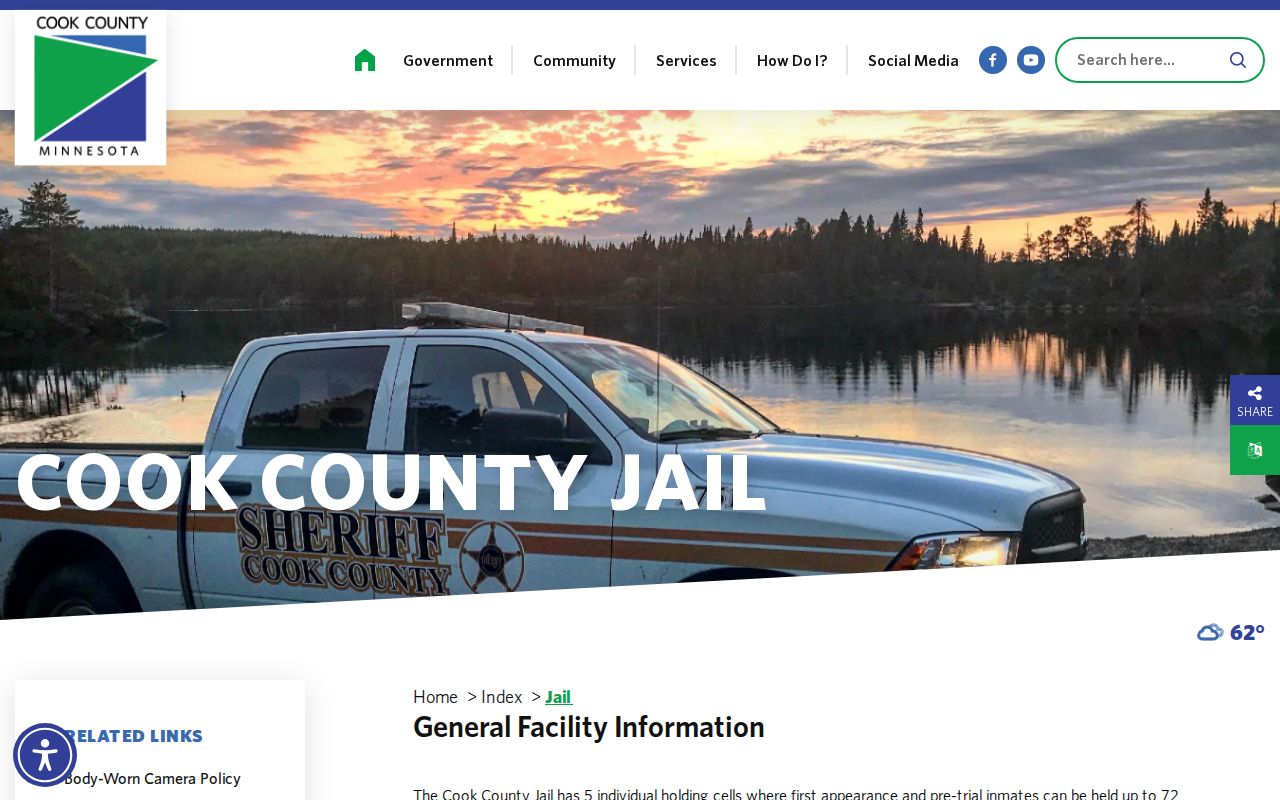
Ask the jail where someone is held. Ask the court about the warrant and the next appearance. Note: Cook County posts no bond schedule or online bond portal, so confirm the amount and accepted payment method directly.
Comparing Arrest, Summons, and Bench Warrants
Three instruments, three effects. Reading the label right tells you what a Cook County defendant is expected to do next.
| Point | Arrest warrant | Summons | Bench warrant |
|---|---|---|---|
| Authority | Custody and prompt appearance | Court notice to appear | Enforcement of a court obligation |
| Starts with | Complaint and probable cause | Charging document without custody | A missed date or condition |
| Who signs | Cook County district judge | Cook County district judge | Cook County district judge |
| Usual next step | Arrest, counsel, release terms | Appearance on the stated date | New date, motion, or bond |
Labels shift as a case moves. Trust the newest Cook County entry, not the first one you find.
Search Warrants Are a Different Instrument
A search warrant is not an arrest tool. It authorizes a search for evidence or property, not the taking of a person. Cook County search warrants sit in a separate public-file series, stay out of the public case search, and may be sealed. The current Sixth District example is 16-CV-SW-24-1. Minnesota Judicial Branch guidance on search warrants explains the filing timing, the sealing rules, and the courthouse terminal route for public access.
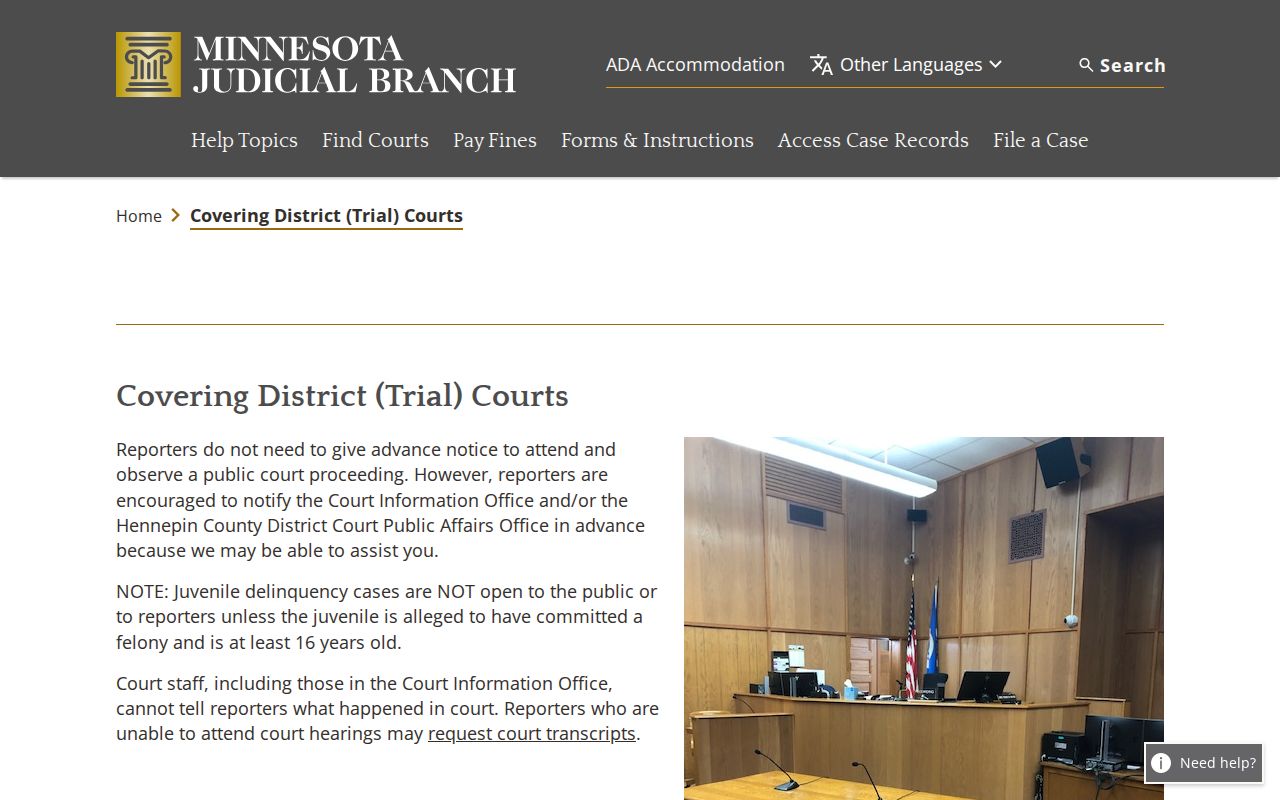
One does not create the other. Finding a search warrant in a Cook County file does not create an arrest warrant, and the reverse is also true.
Federal Warrants and Cook County Warrants
A federal warrant is a different system. It belongs to the United States District Court for the District of Minnesota, not the Cook County District Court. The nearest listed federal courthouse for northern Minnesota is the Gerald W. Heaney Federal Building and U.S. Courthouse in Duluth at 515 W First Street, and the district clerk's main line is 612-664-5000. PACER pricing explains the federal docket fees, including the per-page rate, the document cap, and the quarterly usage threshold for a fee waiver. Keep the two worlds separate. State case search results say nothing about federal warrants, and a federal docket says nothing about Cook County cases.
Cook County Warrant Records During Investigations
Minnesota keeps active investigative data confidential. Cook County arrest warrant index data stays confidential too, until custody, service, or appearance, unless the agency decides disclosure serves a public purpose. The sheriff's records page adds local examples: reports with pending charges go through the prosecuting attorney, ongoing investigations may be withheld, and juvenile material is restricted. The Cook County Sheriff records page lists the request channels and the categories that carry extra limits. Note: A partial denial is a classification answer, not a statement that no record exists at all.
If There's an Arrest Warrant for You
Get a lawyer first. Counsel can pull the complaint, confirm whether the Cook County warrant is still active, and arrange a surrender, a bond, or a motion to recall on terms you can plan for. Cook County offers no standing walk-in window and no universal pre-arrest bond portal. Whatever the process is, it has to come from the court itself. Minnesota's own guidance fills in the picture around it. The state's criminal case help page collects the court's advice on criminal cases and on what showing up in person can mean for an active warrant.
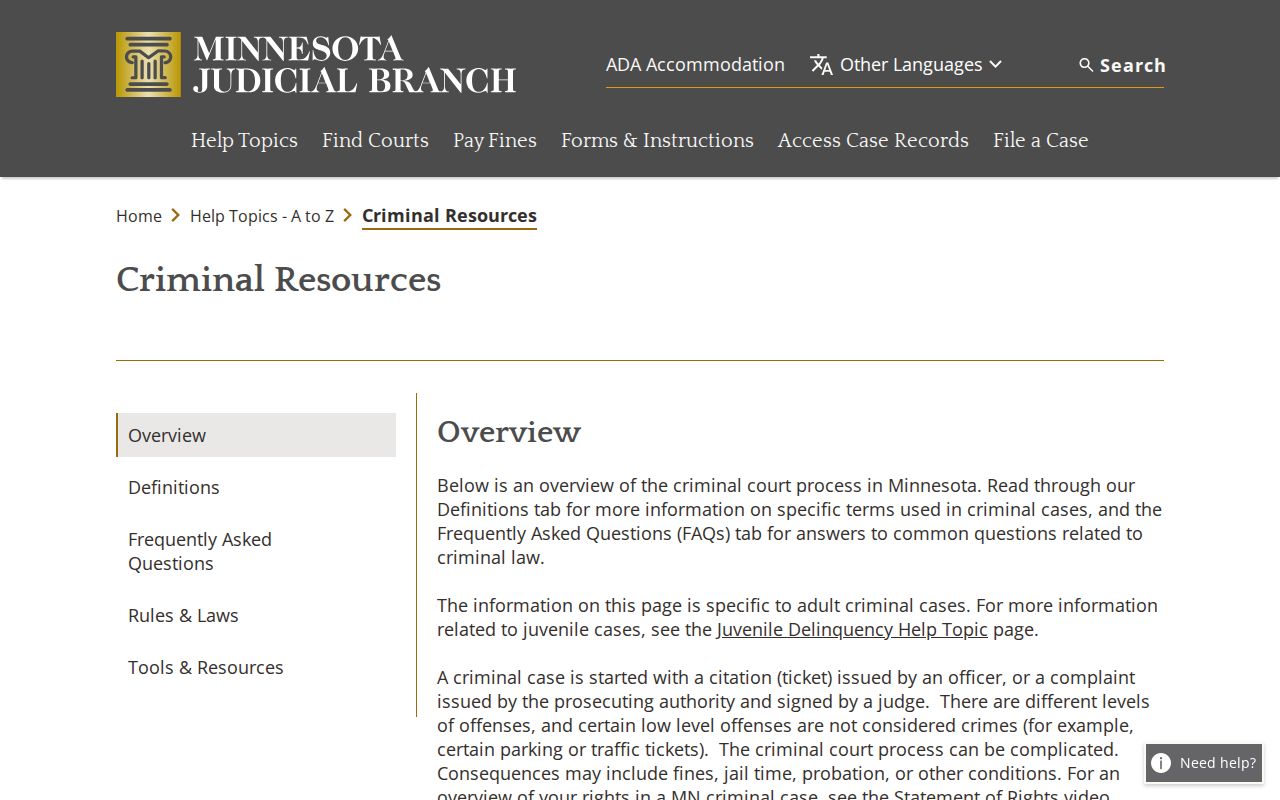
Read it before deciding how to handle a Cook County warrant.
Important: Do not wait to be found, and do not walk into the courthouse without advice. The Cook County warrant overview lists the resolution paths.
Posting bond in Cook County ends the custody hold, not the case; the charge stands and the next court date still counts.